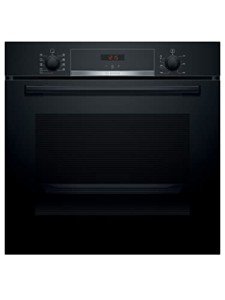
Why Nobody Cares About Cooker Built In
The Rise of Built-In Cookers: A Modern Kitchen Essential
The kitchen has actually long been the heart of the home, a location where culinary aspirations come to life and daily meals are crafted with care. For many years, improvements in technology and design have actually changed this space, with built-in cookers becoming a frontrunner in modern-day kitchen trends. This article explores the numerous elements of built-in cookers, including their advantages, types, setup factors to consider, and popular brand names.
What is a Built-In Cooker?
A built-in cooker is a home appliance that is effortlessly integrated into kitchen cabinetry, providing a tidy and cohesive look. Unlike freestanding units, built-in cookers are frequently developed to match the kitchen's visual, providing both performance and design. They can can be found in different configurations, including ovens, cooktops, and wall-mounted choices.
Benefits of Built-In Cookers
Built-in cookers are ending up being progressively popular for several reasons. Here are a few of the main benefits they offer:
Aesthetic Appeal: The smooth combination of built-in cookers contributes to a smooth and modern kitchen design. They use customization choices to match the cabinets and general design.
Area Efficiency: Built-in cookers are designed to fit comfortably within cabinets or walls, taking full advantage of readily available kitchen space. This is especially helpful in smaller sized kitchens, where every inch counts.
Enhanced Functionality: Many built-in cookers come with innovative features and innovation that can boost cooking efficiency, such as clever thermostats, self-cleaning alternatives, and personalized cooking settings.
Security Features: Many built-in designs include safety features such as automatic shut-off, child locks, and cool-to-touch doors, making them much safer for homes with kids.
Increased Resale Value: Investing in built-in appliances can increase the value of a home, especially if the style is complementary to the overall design of the kitchen.
Function
Built-In Cookers
Freestanding Cookers
Aesthetic Integration
High
Moderate
Installation Flexibility
Fixed (Requires Installation)
Portable
Space Efficiency
High (Optimized for Cabinets)
Variable (Some Models Bulkier)
Functionality
Typically Advanced/Smart
Standard to Mid-Range Functionality
Resale Value
Typically Higher
Variable/Dependent on Model
Types of Built-In Cookers
Built-In Ovens: Available in single or double setups, built-in ovens can be positioned at eye level for convenience. They might include functions like convection cooking, steam options, and several cooking modes.
Built-In Cooktops: These systems are set up directly into the counter top and can be powered by gas, electrical power, or induction innovation. They provide a streamlined appearance and can maximize space for extra kitchen elements.
Wall Ovens: These are set up at an elevated height, making them accessible and ergonomic. Numerous wall ovens feature sophisticated technology such as Wi-Fi connection for remote operation.
Combination Units: Some built-in designs offer a double function, combining both oven and cooktop capabilities, creating a versatile cooking space.
Microwave Ovens: Built-in microwaves can be installed into cabinets, offering fast access to reheating and cooking without using up counter area.
Pros and Cons of Built-In Cookers
Pros
Cons
Boosted aesthetic appeal
Setup can be costly and complicated
Space-saving style
Less flexible than freestanding alternatives
Increased functionality
Minimal options in some designs
Enhanced resale worth
Replacement can be made complex due to fit
Safety functions readily available
Some built-in designs can be costlier
Setup Considerations
When considering a built-in cooker, there are a few essential setup aspects to remember:
Space Requirements: Measure your kitchen thoroughly to make sure that the built-in cooker will fit conveniently within the organized area. Consist of allowances for ventilation and accessibility.
Electrical and Plumbing Needs: Ensure that your kitchen is geared up with the needed electric outlets or gas lines. Speak with a professional if needed to deal with setups securely.
Local Building Codes: Check regional guidelines concerning kitchen appliance installations, specifically for gas designs, to guarantee compliance.
Professional Installation: Due to the complexities involved, employing a professional for the setup of built-in cookers is typically suggested to prevent issues down the line.
Popular Brands of Built-In Cookers
Several brand names have established themselves as leaders in the built-in cooker market. Here are a few notable ones:
Bosch: Known for top quality German engineering, Bosch provides a range of smooth built-in appliances that boost any modern kitchen.
Wolf: A luxury brand under Sub-Zero, Wolf is revered for its cooking efficiency and enduring durability. Their built-in appliances are developed for cooking enthusiasts.
Miele: This brand name is synonymous with premium appliances, using ingenious features and classy designs in their built-in ovens and cooktops.
KitchenAid: KitchenAid offers a range of elegant built-in appliances understood for their efficiency and user-friendly features.
Electrolux: Offering a blend of kind and function, Electrolux focuses on energy-efficient, high-performance built-in cookers.
Regularly Asked Questions (FAQs)
1. Are built-in cookers more costly than freestanding designs?
While built-in cookers can be more expensive upfront due to setup expenses and style, they typically last longer and can boost the resale value of a home.
2. Can I install a built-in cooker myself?
Due to the specifics of electrical and gas connections, it is recommended to employ an expert for the installation of built-in cookers to ensure security and compliance with local codes.
3. What maintenance do built-in cookers require?
Routine cleansing and maintenance are essential for built-in cookers. This might consist of wiping down surfaces, cleaning up vents, and regular checks of the electrical and gas connections.
4. simply click the following website page built-in cookers have service warranty choices?
A lot of respectable brands offer warranties that vary in regards to duration and protection. It's recommended to inspect warranty conditions throughout purchase.
5. Can built-in cookers operate in smaller sized kitchens?
Yes, built-in cookers are developed to optimize area and can work well in smaller kitchens by integrating effortlessly into cabinets.
Built-in cookers represent a marriage of functionality and design, making them an attractive choice for numerous homeowners. As kitchen style continues to evolve, the trend towards seamless combination of appliances will likely grow. For those aiming to improve both the visual and functional elements of their kitchens, built-in cookers are well worth considering. With cautious preparation, thoughtful installation, and attention to maintenance, built-in cookers can offer years of trustworthy service in the heart of the home.